The message changes the meaning…
TLDR;
Context is everything
- Readings
- Lecture Notes
- Research
- Weekly Task:
- Find a documentary image – explain why you have chosen the image
- What is the context of the image – eg when and why was it taken, techniques used, etc
- Describe the message the photographer is trying to convey and does it connect us the viewer to the event?
- Do you think the image is an honest and/or true depiction?
Readings
Excerpt from Sontag, S (2004) Regarding the Pain of Others
Sontag discusses the idea that the viewers of the media indirectly experience the pain and suffering documents. She discusses the Spanish Civil war being the first documented war in a modern sense, where we’d receive the information within a close timeframe. As I understand, it wasn’t until the Vietnam War that there were “live” coverings.
Focusing on the traditional news angles (Newspapers & Televised/Radio news), the idea of everything being recounted within a 25 minute broadcast is nigh on impossible. They will only give you the news that is relevent to their own network or can bring in the viewers/sell papers. It’s the idea of the Front Page news. The biggest story being used to sell the papers. Digitally and in modern times, we have the argument of “Clickbait” and what brings in the ad’s.
Sontag speaks of how newspapers require language, understanding and reference whereas a photograph has it’s own unrestricted language. With that and the added shock value a photograph holds, it creates a harsher impact that words or, in some cases, video.
These images define what we understand as real, forcing emotional reactions out of the viewer. Video holds fictional connotations to it, thanks to Hollywood and the film industry. Whereas photography struggles to tell fictional stories, you can digitally alter them but you’re more likely to believe what you see in an image than video.
Overall, Sontag talks about how our depiction of others and their experiences are from the photographs newspapers elect to use. Those of which where specifically selected for their Sell and Shock factor. We view others pain through the images we see, not through experiencing it ourselves.
Lecture Notes
Coming in, we’re a bit lost on this week. Is it covering the topic of physical pain or the depiction of pain?
How wrong we were.
We’re actually covering the topic of “Context” and how certain aspects change the message behind the image. What happens when images are taken out of context, when they’re used incorrectly or even just without context.
This then links into our previous research into Document Photography and the power it holds. Document Photography is used for truth and information however we must trust the statement surrounding it and that it’s being used in the correct manor.
Context is everything
Following this, we have the concept of Contextual framework to think about. This process says the art work or “sign” is made up of multiple different things. These all dictate it’s meaning in different ways:
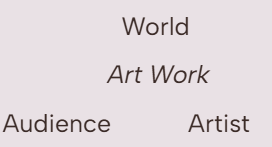
The context is built up from the three different factors and each one can be something different.
Moving to the digital world, social media allows images to be used out of it’s original context or perspective. As they’re not heavily fact-checked platforms, they have free-will to twist images and stories.
A lot of this all comes down to trusting your photographer and the information given to you. In a world of AI Generated images and fake news, it’s getting harder and harder to fact check and locate the original source of the image.
The hunt for more dramatic images drives the photographic enterprise.
Research
Fred Morley & The Milkman
During the 19540 Blitz, Morley would travel around London, capturing the “resilience of the British”. He would watch Firefighters tackle blazes and a milkman carry on his round. He then captured the following:
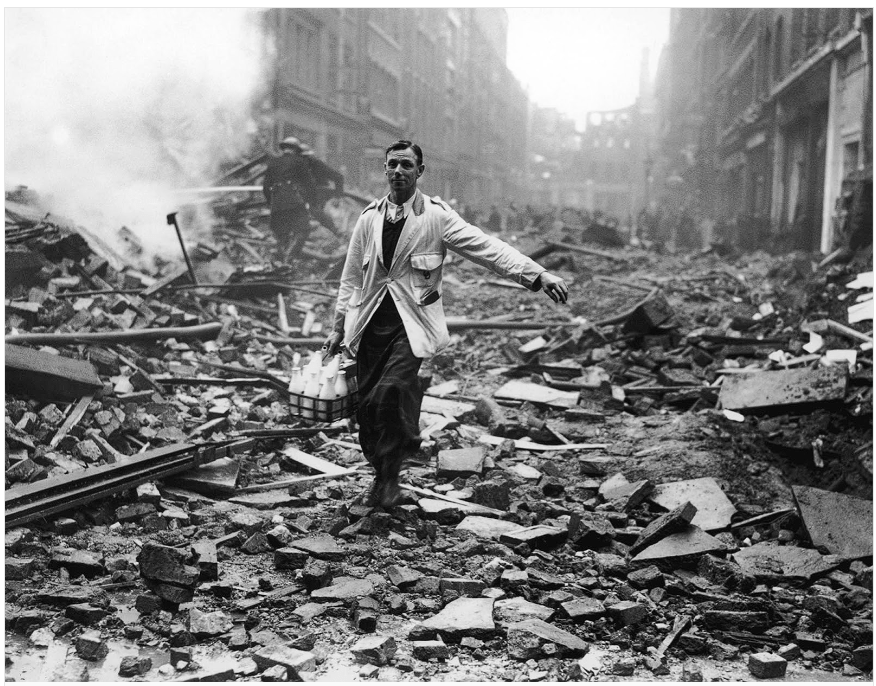
The intent was to capture this idea however, the technique changed the was the photograph has been perceived. Morley had seen a milkman doing his rounds and asked to borrow his coat & milk crate. He handed them off to his assistant and staged the photograph in front of the working firemen. Although “real” in that there was a milkman out doing his rounds that morning, is it as effective as intended with that information being available?
You can shift the narrative slightly, saying “Workers forced to carry on although bombed home”. Changing it from something patriotic and endearing to something negative and cruel. However, the source I was using made an interesting statement regarding this image:

With the easy access we have to photography in modern days, we look at photographs more than we look into them. We see this photograph and trust that what we see is true. It’s the argument that Barthes made – We trust what we see because we must. However, on this occasion, the truth is twisted slightly.
Intentional Myth Making – Maja Daniels
As someone who loves myths and folklore, when I came across Daniels porfolio on Aperture.org, I was instantly hooked. The images create an illusion of myth, something we crave more context for however, none is given.
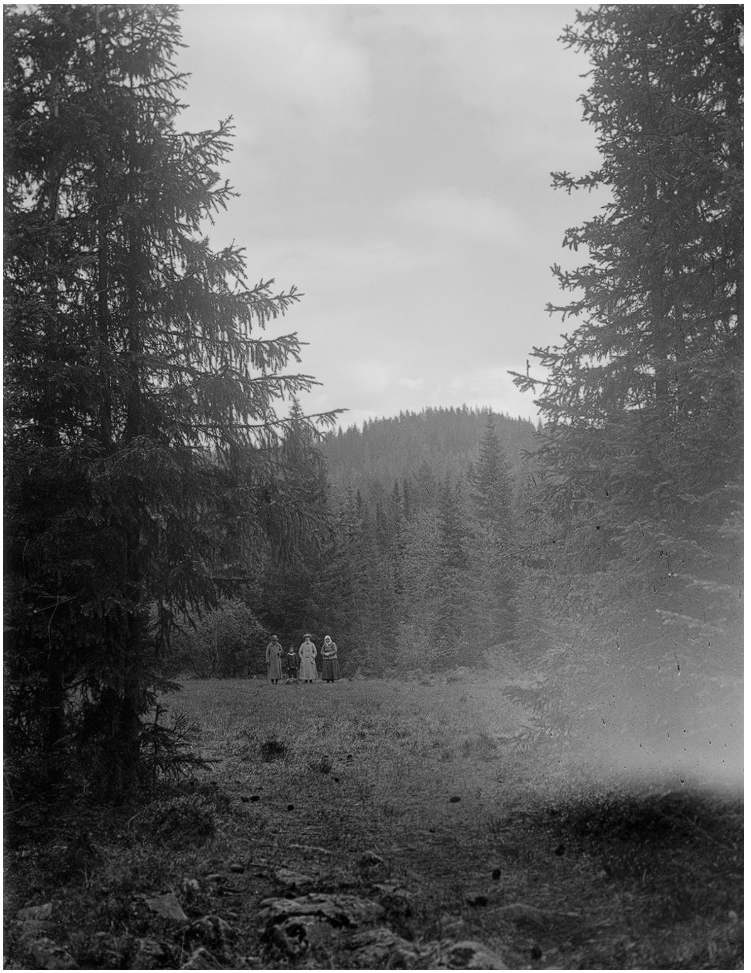
There is an aspect of storytelling being made, however no story is given. It’s left up to the viewer to interpret what they see. Above, I imagine witches performing a ritual, or a hidden commune in the forest, gathering resources. We know that literally, it’s just three women and a child in the forest however, can we confirm they’re women?
Daniels plays with the lack of context, the need to know and fails to deliver it. Creating a unique experience for everyone who sees her images.
Weekly Task:
Find a documentary image – explain why you have chosen the image
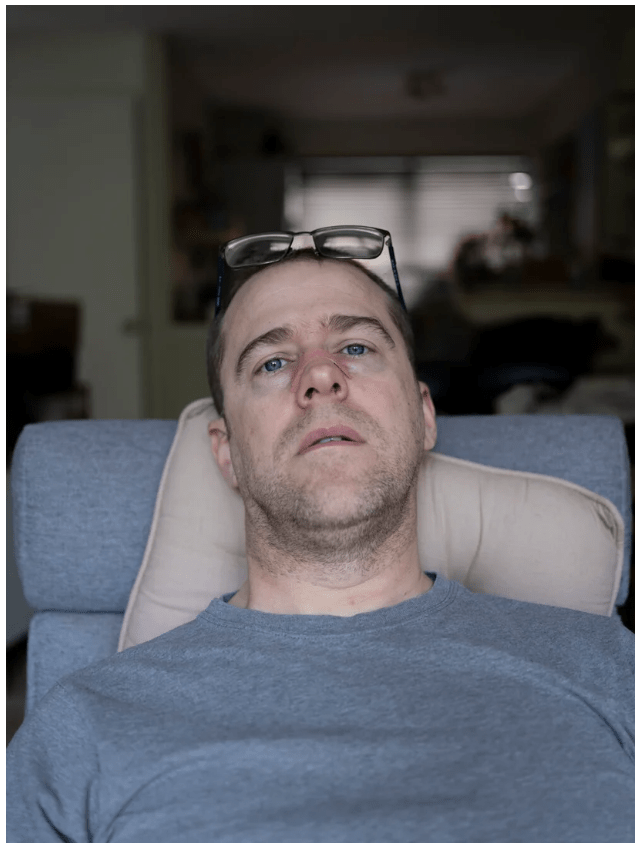
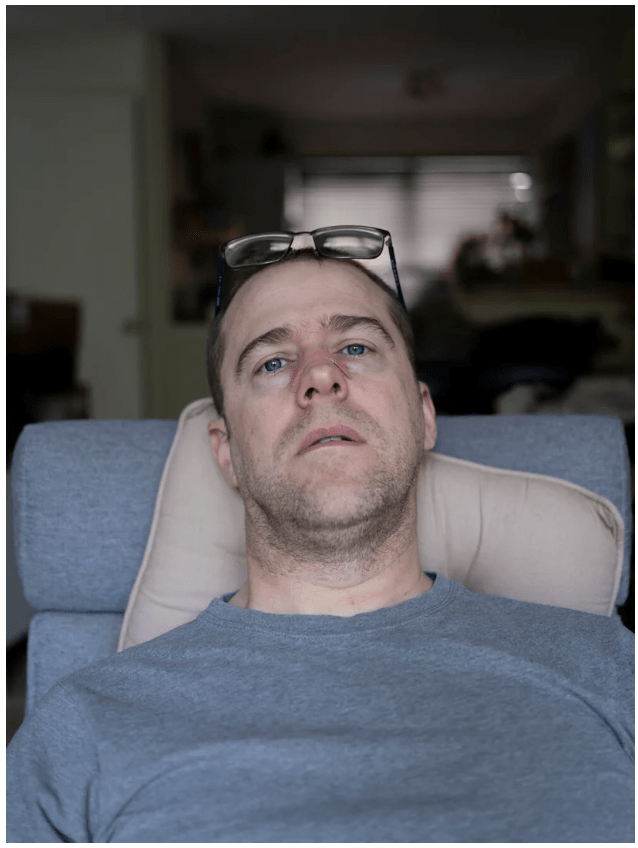
As someone who also has been diagnosed with a chronic pain condition and hidden disability, this one specifically sat with me. I know that look, the thousand yard stare. The empty feeling where you’ve almost accepted your fate that this feeling, this pain, is the rest of your life.
It takes everything out of you to blink, let alone breathe and you’re so tired of it all that all you can do is space out. You can’t even find solace disassociating as the pain pulls you back to the real world.
What is the context of the image – eg when and why was it taken, techniques used, etc
Andrew Gifford suffers from ME/CFS and used his power of photography to show how it feels to handle this condition. Sharing his story, Gifford speaks about how his symptoms manifest, what it does to his body and how the NHS has impacted him.
Taking the images are a lot of energy for him, meaning he works sporadically and when his body allows it. This one specifically was either taken by a third party or by using a tripod/remote trigger combination. The thousand yard stare isn’t one that can be realistically faked. However, if he has done so, he’s done it impressively.
Describe the message the photographer is trying to convey and does it connect us the viewer to the event?
This image shows someone struggling with something. The thousand-yard-stare, almost corpse-like complexion and the slouch solidify the idea that something is wrong with him. But aside from that, he should be fine. It’s a hidden disability as it effects you internally instead of externally. You can have good days, you can have bad days but ultimately, you look pretty much the same.
To the general population, you can see that he’s suffering. He’s not okay. To those who have their own health conditions, they can see their own pain and suffering reflected back. You know the look, you know the thoughts and feelings without words being said.
Do you think the image is an honest and/or true depiction?
Yes.
LINK – House Bound – Me & ME/CFS


Leave a comment