Photographic Storytelling – Fiction or Non-Fiction?
TLDR;
Stories can be told, Worlds created and statements made.
- Lecture Notes & Updates
- Unfiction & Fictional Story Telling
- Heading Back to Non-Fiction
- Nick Danziger
- Final Thoughts
- Glossary
Lecture Notes & Updates
Getting close to the end of this module now, this week is the concept of Storytelling within Photography. Using your image or collections to tell a story or make a statement.
It’s an insanely powerful practice that, if utilized correctly, can create something beautiful. One of the examples that Dan gave us, not only took me back to a different chapter in my own life, but reminded me of some hope within humanity.
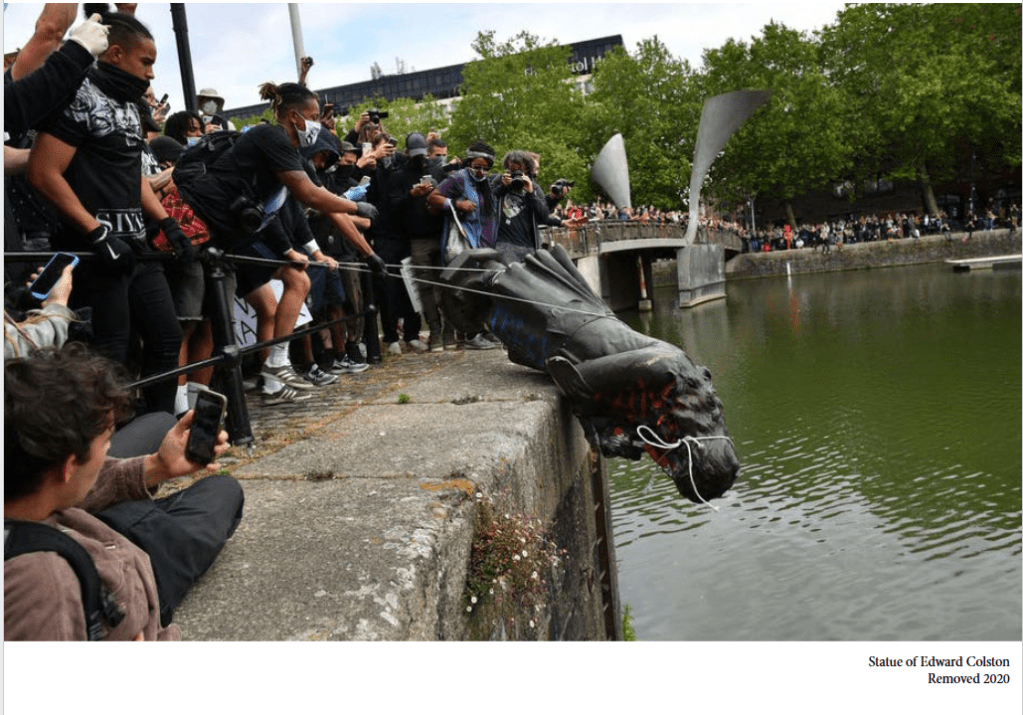
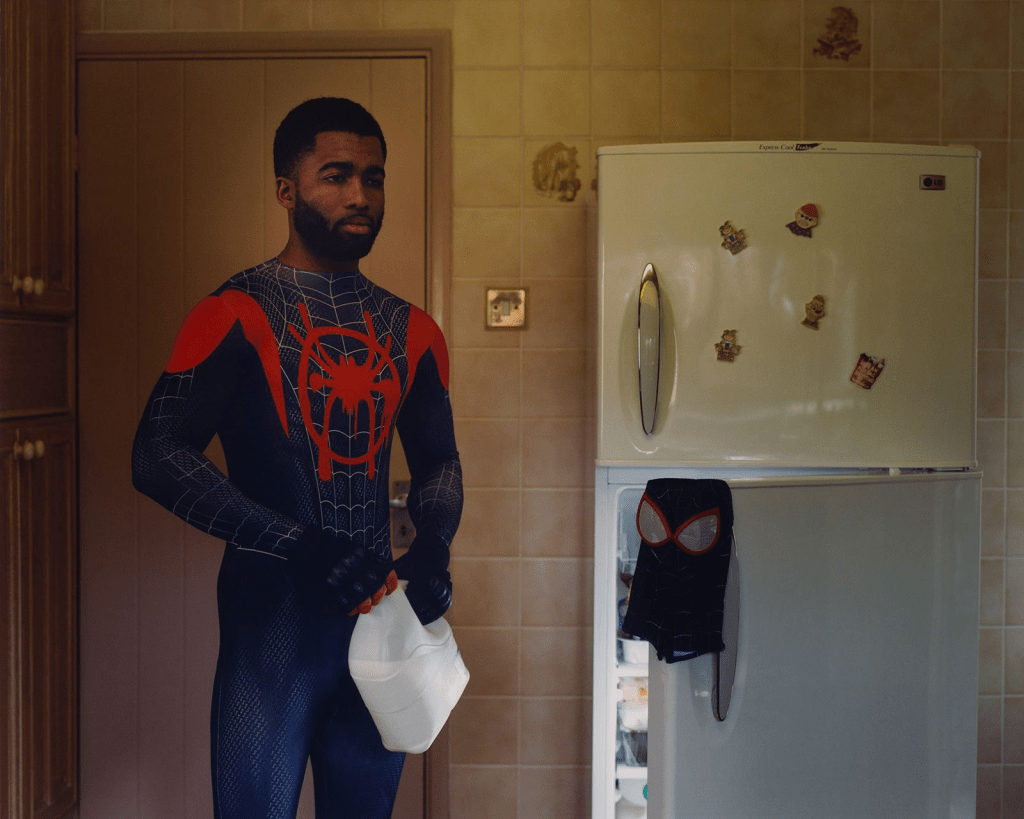
One image telling a story, whether you agree with it or not.
Unfiction & Fictional Story Telling
It’s taken me three attempts to write this section, trying to avoid info dumping on you all. This topic is a personal interest and has been for over a decade.
I will link all my references and recommendations across this section as I personally want to give these creators the credit they deserve!
You say storytelling with photographs. I don’t immediately think factual or non-fiction like most will, or even like Dan covered. I jump right down the fiction, or in this case Unfiction rabbit hole.
To use some topical jargon, Unfiction is multi-media storytelling. Using real world platforms to create an immersive, and in some cases, interactive story. The best example I can think of at this time is a Twitter Project called “The Sun Vanished“.
Although mostly text, the creator used the real-time ability of Twitter to tell his story and let the readers/players to dictate certain actions and choices the character made.
If you want to know more about it, I’ll link you to NightMinds deepdive into the project.
NightMind is going to appear a lot here when talking about certain projects. He’s the main voice for Unfiction projects and runs the NightMind Index, a worldwide database designed to share and record these experiences.
You need to remember that these “games” or “stories” aren’t re-playable. They’re more like real-time experiences that once the moment has passed, cannot truly be replayed.
This also crosses into ARG “Alternate Reality Game” territory however I’m trying to stay 10ft away from that. It’s a wonderland rabbit hole for me that I get lost in very quickly.
Okay, let’s wrap up the info-dump and get to the actual research aspects of this.
It was tough to find projects that specifically focused on Photography as a means of storytelling. They all required other aspects. That being said, I did what I knew was best and reached out to the ARG/Unfiction community and asked for some pointers in the right direction.
This story format isn’t something that’s new. It’s been around just as long as the internet has and, in some cases, long before. I looked into those recommended and found a few more myself across the above mentioned archives. (Nightmind Index and ARG Net. Unfortunately the original unfiction website is no longer active.
MossFlower Pictures
LINKS – Website // Instagram // Trailhead
MossFlower Pictures was a story I’d seen in passing but never participated in personally. As the whole story revolves around a photographer, I figured this was the best place to start.
Our main character is a photographer, interacting with the creatures around him and, after solving the puzzles, you’ll learn more of the story. As soon as you open chapter one, you’re met with detailed story telling and wonderful photography.
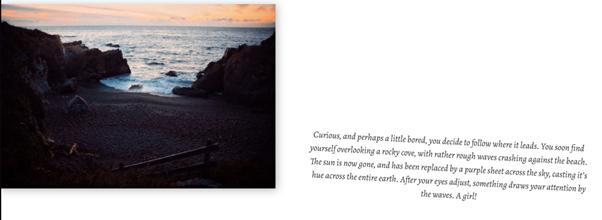
Whether this falls under “photographic storytelling” or our look into “Unlikely Alliances”, I’m not sure. However using the images as a form of world building is a fantastic way to remove a lot of unneeded description for these short, fast moving projects. The images themselves are wonderfully taken and selected. They’re not just “in the moment” shots, they’re thought out, planned and specifically taken for the needed moment.
Weird Birds
LINK – Story Thread // Twitter
Moving away from the more professional imagery, intentionally using poor quality images is also a powerful storytelling technique. This project came recommended to me through my outreach via Reddit and I did fall down a bit of a rabbit hole on this one. Not because of the storytelling but because of the behind-the-scenes.
The story seems simple on the surface, there’s some weird birds around the characters house. Thinking cryptids, SCP or even some weird paranormal creature. Nope… it’s dinosaurs.
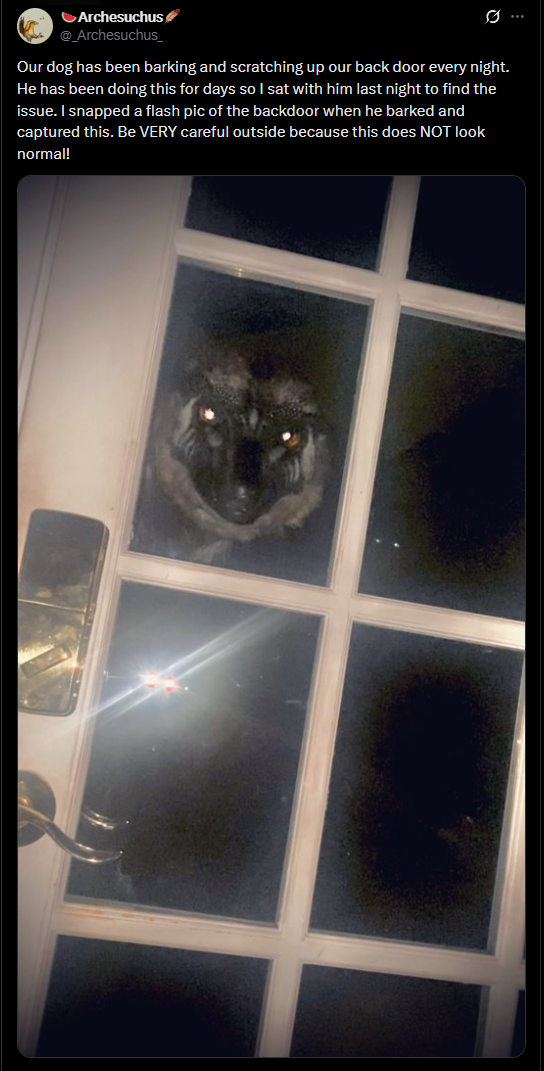
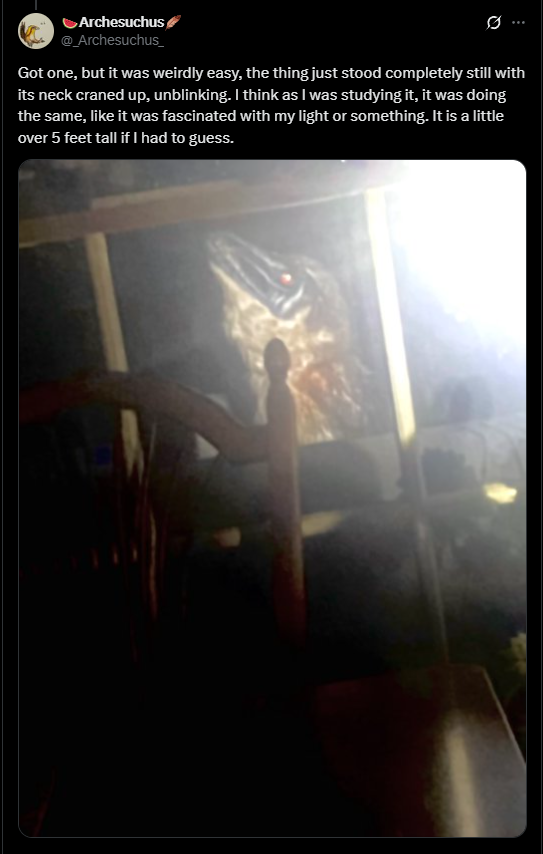
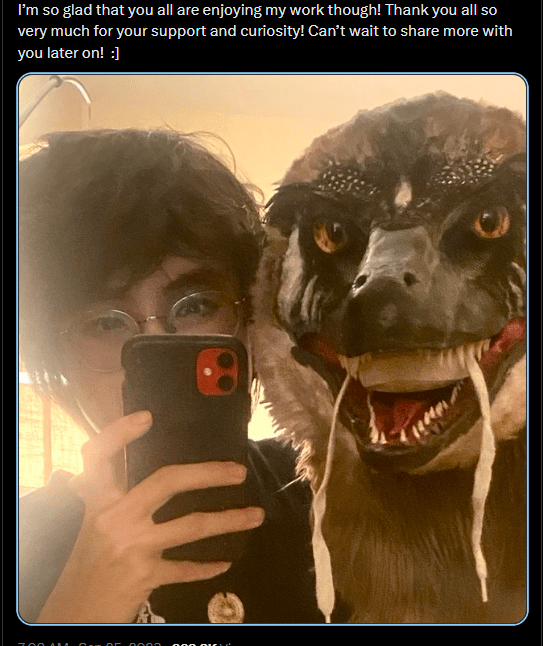
In this situation, the character is moving fast and needs to try and grab a photo as fast as possible. Whereas the creator has all the time in the world. Focusing on this aspect, using the trick of poor image quality and poor lighting creates a more immersive and emotional experience. You can see the panic in the images.
The reason this had me hooked was seeing the detail and effort that went into a project like this. Here’s a screenshot of the creators Thank You Post. Just look at that detail!
Heading Back to Non-Fiction
We’ve looked at the fictional side of Photographic Storytelling, time to delve into the actual real world.
We covered some of this under document photography however we did end up looking more into Photojournalism and Conflict photography. Storytelling within photography isn’t all doom and gloom.
Nick Danziger
If I’m honest, this name was left in my notes and I have no idea where from. It was linked to his website where I was met with this:
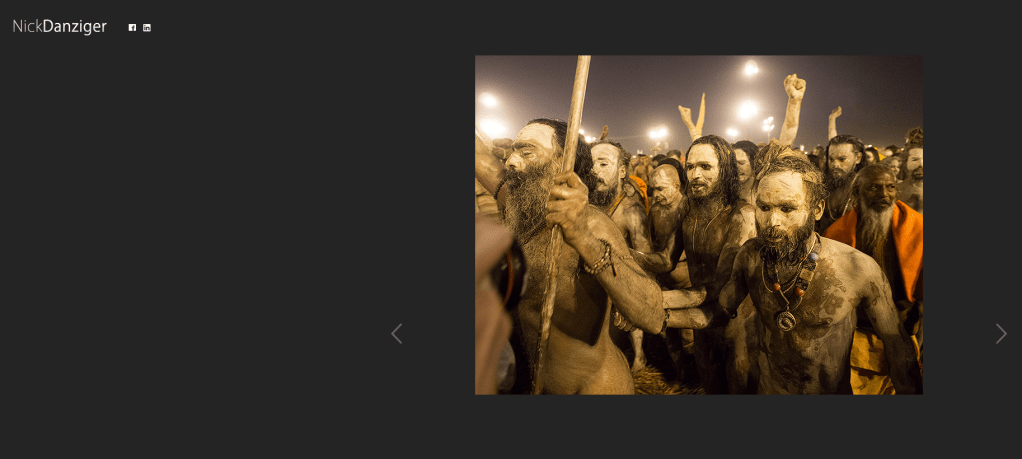
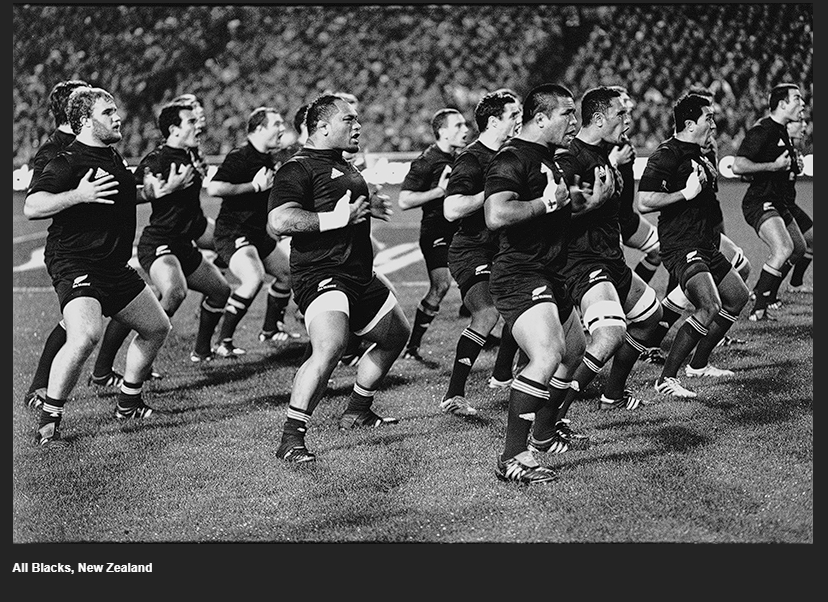
A carousel showing culture, people and lives across the world. All ages, all lifestyles, all emotions. Its a wonderful collection to see. The only text on the screen is the location of the image. No explanations.
Final Thoughts
Showcasing lives and personal experiences through photography is a tale as old as time. We touched on that when talking about selfies a few weeks ago. Documenting experiences and memories as we go, showing the chapters of our lives through images.
However, when looking at the fictional aspect of photographic narratives, there is a realm left unexplored. There is so much creativity wrapped up in these that they’re not getting the appreciation they deserve.
The line between all of these weekly research projects are blurring together. How is this not document photography? Are selfies not a form of storytelling? What’s the difference between them all aside from a few tiny details?
I got no clue, to be frank…
Glossary
Unfiction
Trailhead
The starting point or first indication of an Unfiction or ARG project.
Alternate Reality Game (ARG)
A form of storytelling that integrates transmedia platforms and creates an immersive experience for the player. This is a game that walks the line between reality and fiction. The term “This is (not) a game” is the driving force for these projects.
To clarify, ARG’s are Unfiction Projects. Not all Unfiction projects are ARG’s. It’s basically fingers and thumbs.


 AlphaRose Photography
Leave a reply to Module Two: The Final Wrap Up – AlphaRose Photography Cancel reply