Tuesday morning, We meet “Dan”. Our lecturer for the coming months. After the post-deadline decompress and a quick “how do you do?”, we hit the ground running. This weeks topic? Document Photography.
Whereas that feels like a grammatical sin, it’s a line of photography that focuses on documenting the world around you. Within Dan’s teachings, we’re introduced to a range of Document Photographers and their work. I’ve picked out two of my favourites for the “Deep Dive”.
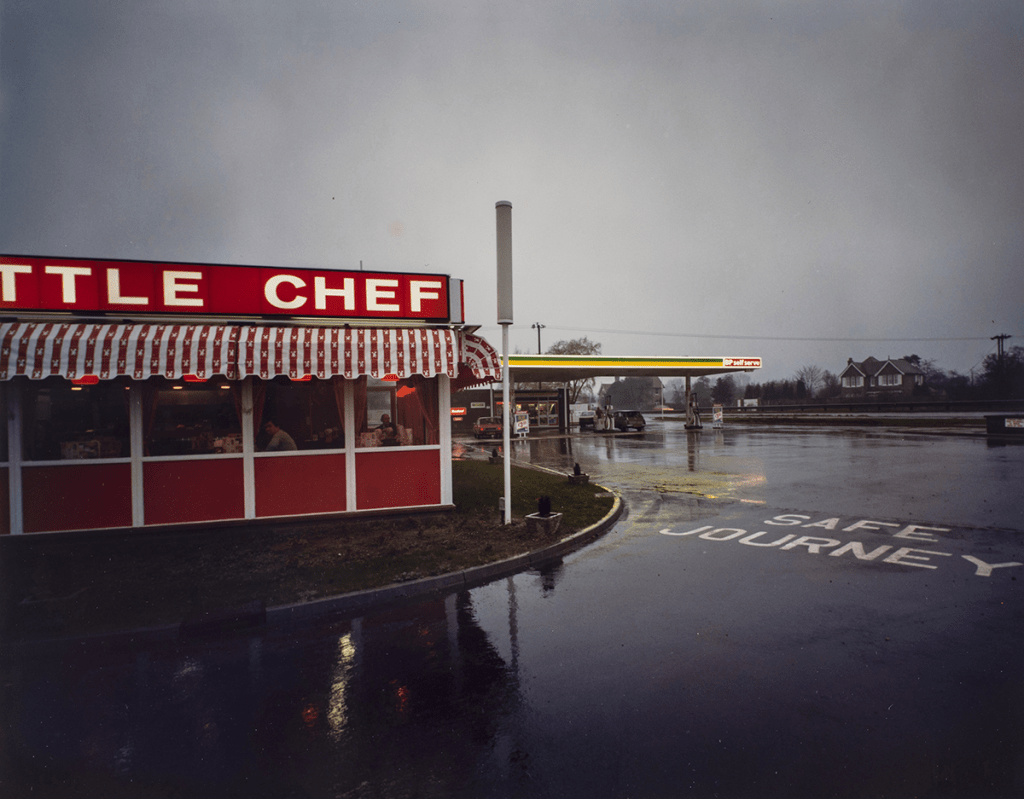
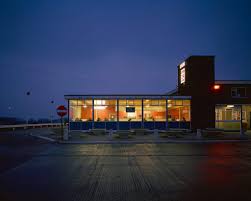
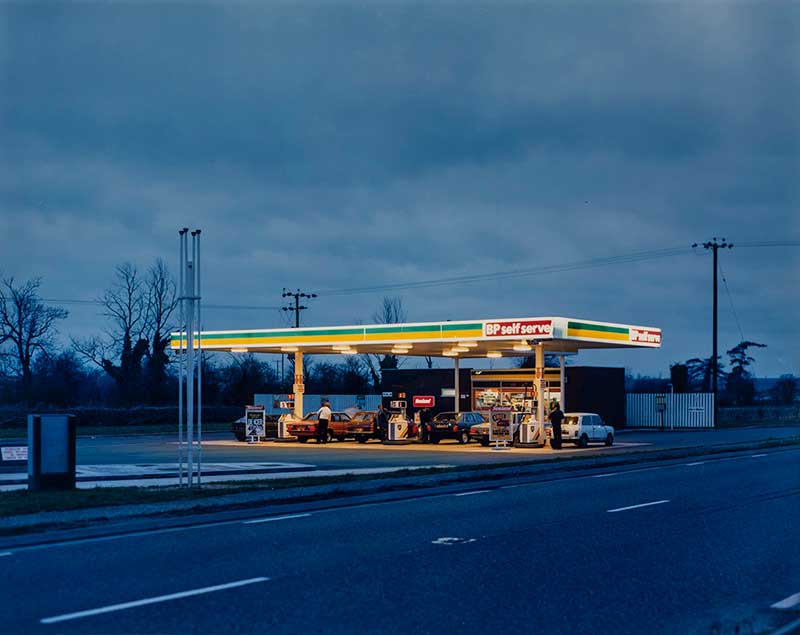
Paul Graham – The Great North Road.
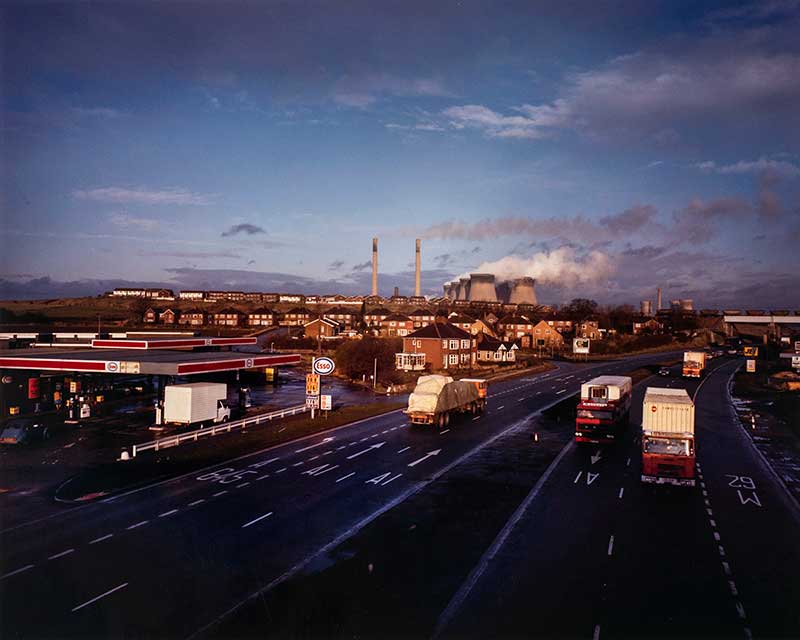
Growing up, I travelled a lot. Specifically up and down the A1 from Grantham to “Black Cat Roundabout” near St Neots. As an adult, I still travel the A1 but now from Grantham to Castleford. Joys of moving around. We’d see the same 100 mile stretch every few weeks and, with this being the time before smartphones but of the “cannot use in the dark” GameBoy, I was stuck playing I Spy with my sister. Staring out the window constantly, you learn to recognised certain landmarks.
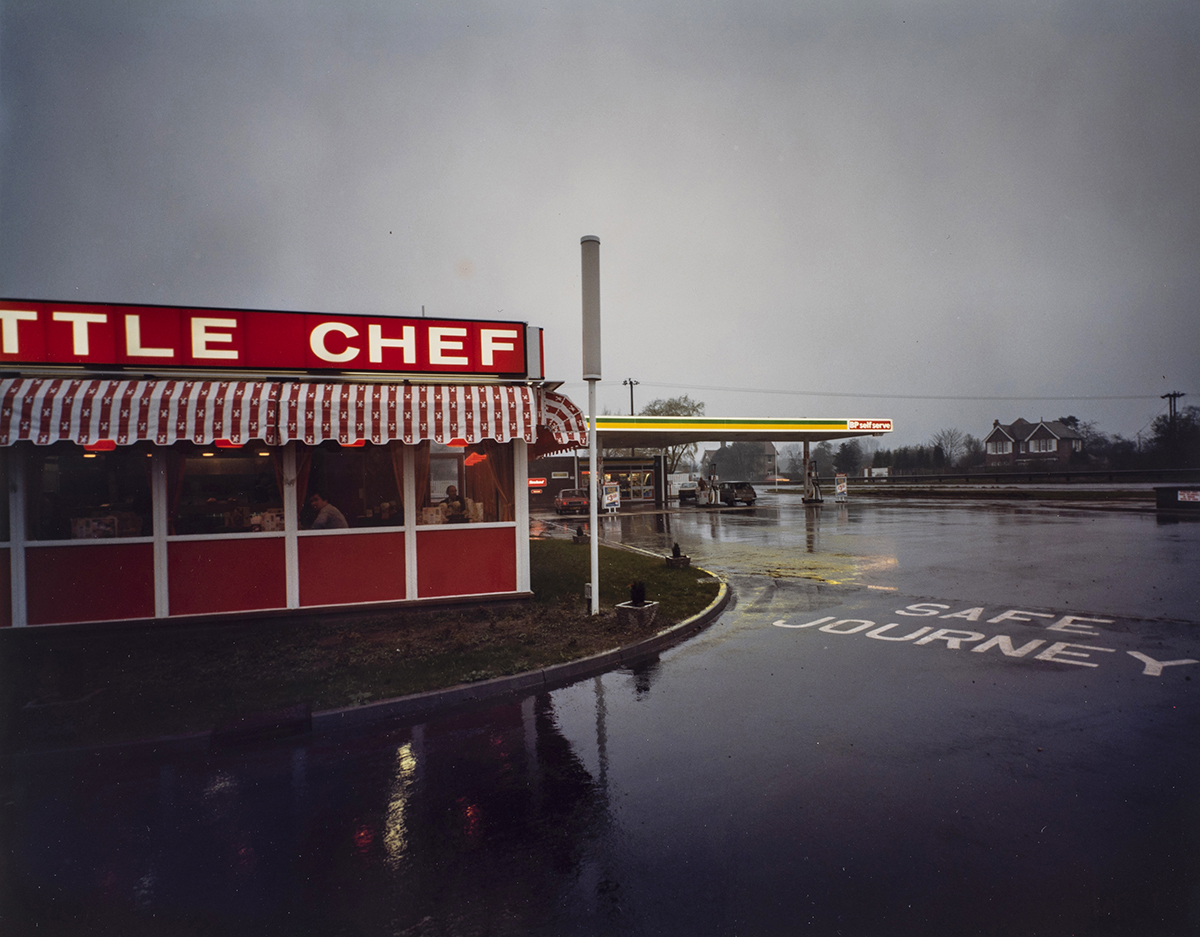
The “Safe Journey” sign on the floor was one that immediately stuck out to me.
That service stop, the Little Chef in particular, was one we used to visit if we needed to get dinner on the way home. How it is in Grahams’ image is a duplicate of how I recall it as a child. In 20 years, it had not changed.
At this point in my research, I called my sister Sophie who still lives around that area and asked her about it.
I’ll have to hold your hand next time we go through Black Cat [roundabout] then. They’ve redone it all, the roundabouts gone and they’ve knocked down the little chef and petrol station. It’s just got a road going through it now.
Sophie – Sat 8th Nov
I’ve not travelled to that neck of the country in a few years but, it still upset me to see that go. It sounds so wild that I’m getting worked up over a long-since shut down restaurant, that had turned into a Travelodge, be knocked down but, it was an landmark for me. It meant we had 30 minutes before Grandma’s house and I shouldn’t tell my mum I need a wee now.
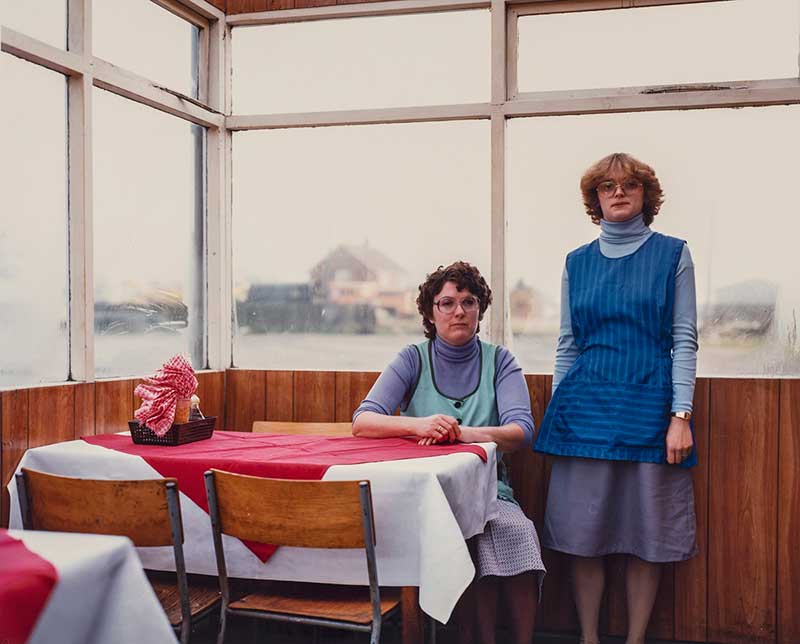
Even down to the other truck stops, when travelling they always looked like Grahams depiction. The red and white pinnies, Doris having made fresh banana bread and some old mans butt crack staring at you from two tables ahead. Nowadays, they’re all Welcome Breaks and Moto Services. No longer “Wendy’s Truck Stop” with fresh bacon butties, but now a McDonalds and a W.H.Smith that will cost you a second mortgage for a bottle of water.
It feels like a snapshot in time, showing what the world was before greed and capitalism became ruthless. That’s a statement that nothing can take away from this work. As time goes on, more buildings and roads are changed, it fuels the nostalgia people will feel when seeing these. It triggered this response in me.
I’d love to see a response to this, showing the same locations Grahams’ showcased but 40 years later. Just to see what’s changed…
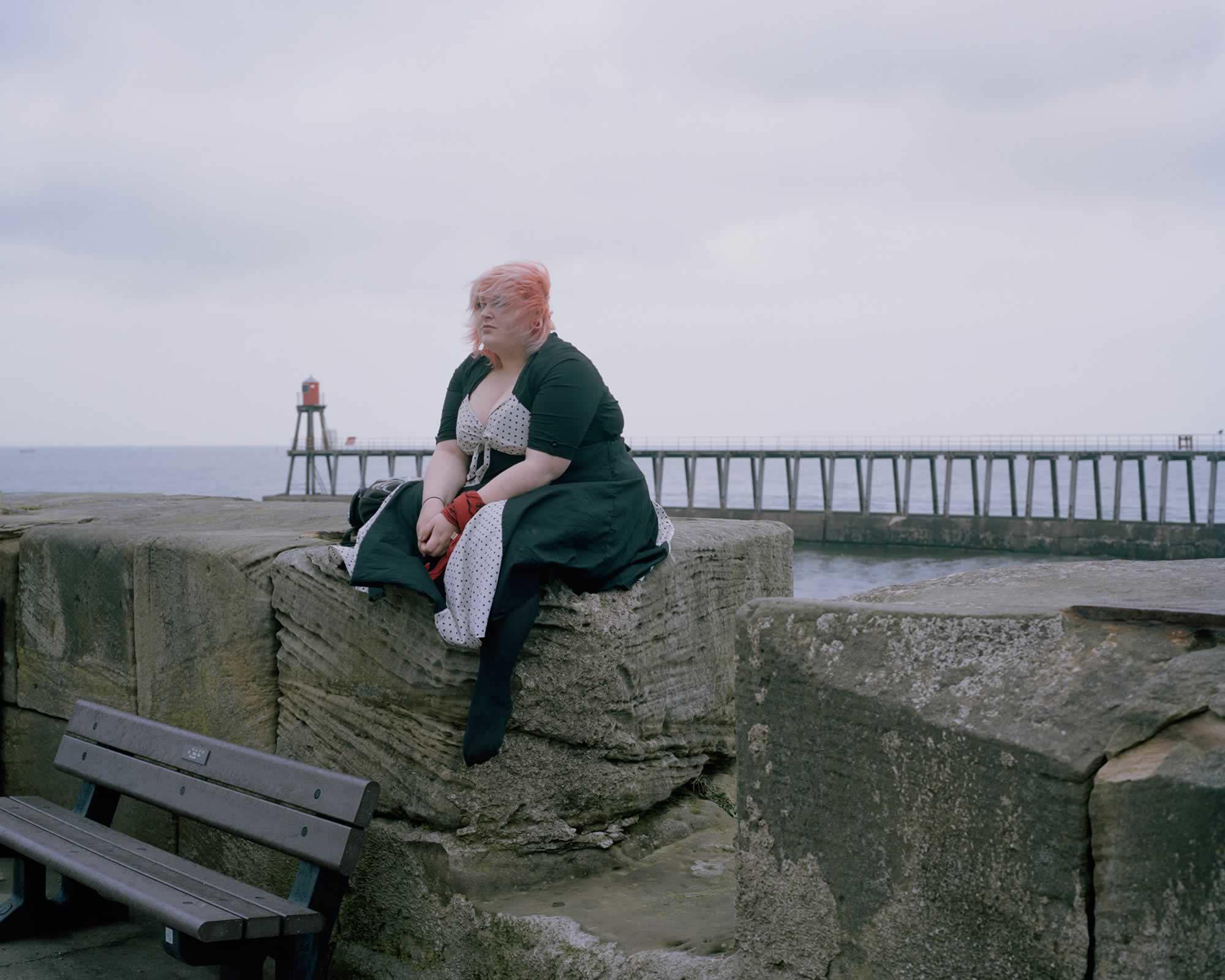
David Severn – Whitby Goth Weekend
Being someone of the “Not Normal” aesthetic, Whitby Goth Weekend is Iconic! It’s the “Leeds Festival” for Gothic, Steampunk and Alternate Folk. It’s been a dream of mine to attend but unfortunately I’ve just never had the time. Seeing the event through photographs is a regular occurrence though, as the only way I can enjoy it is vicariously through others.
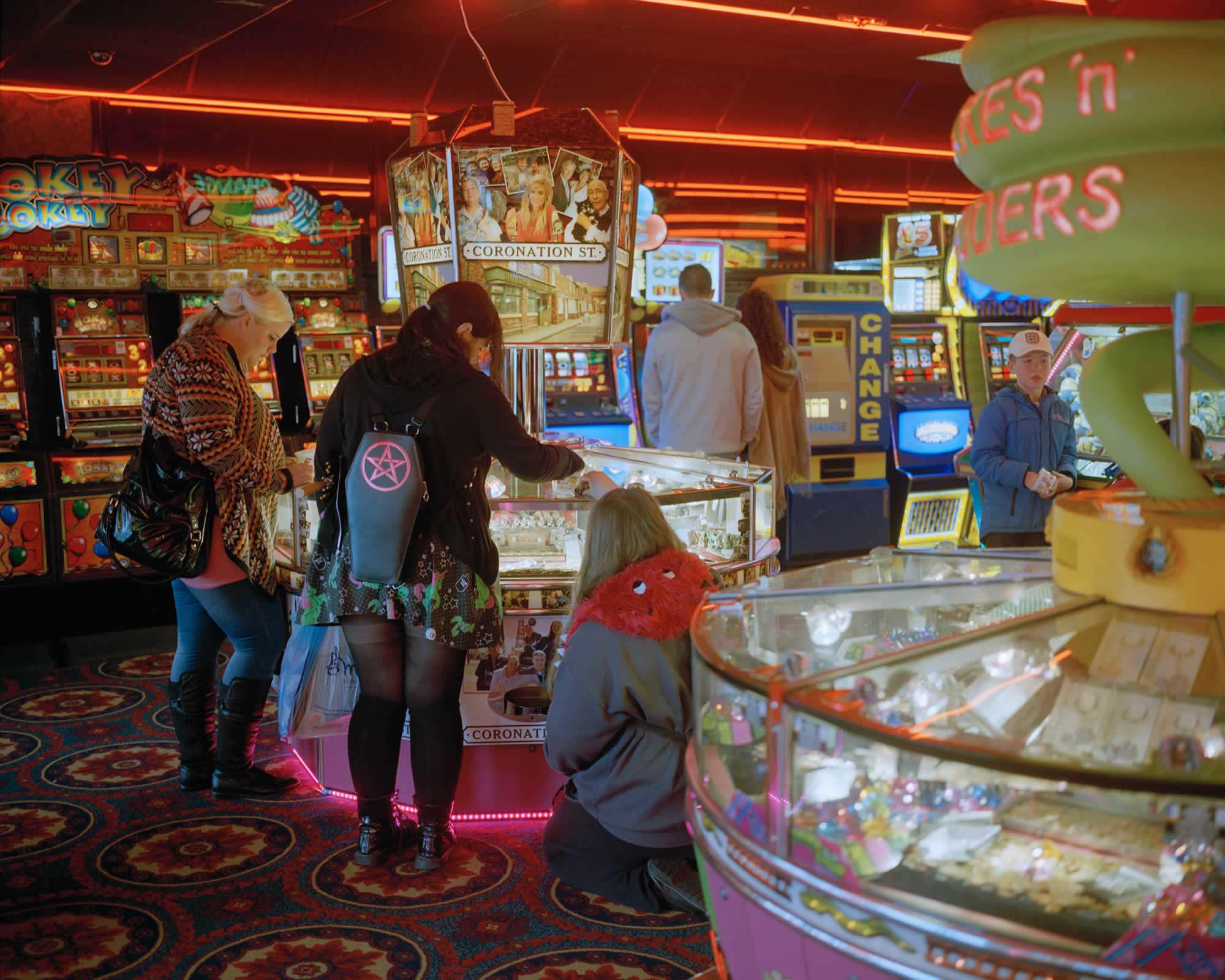
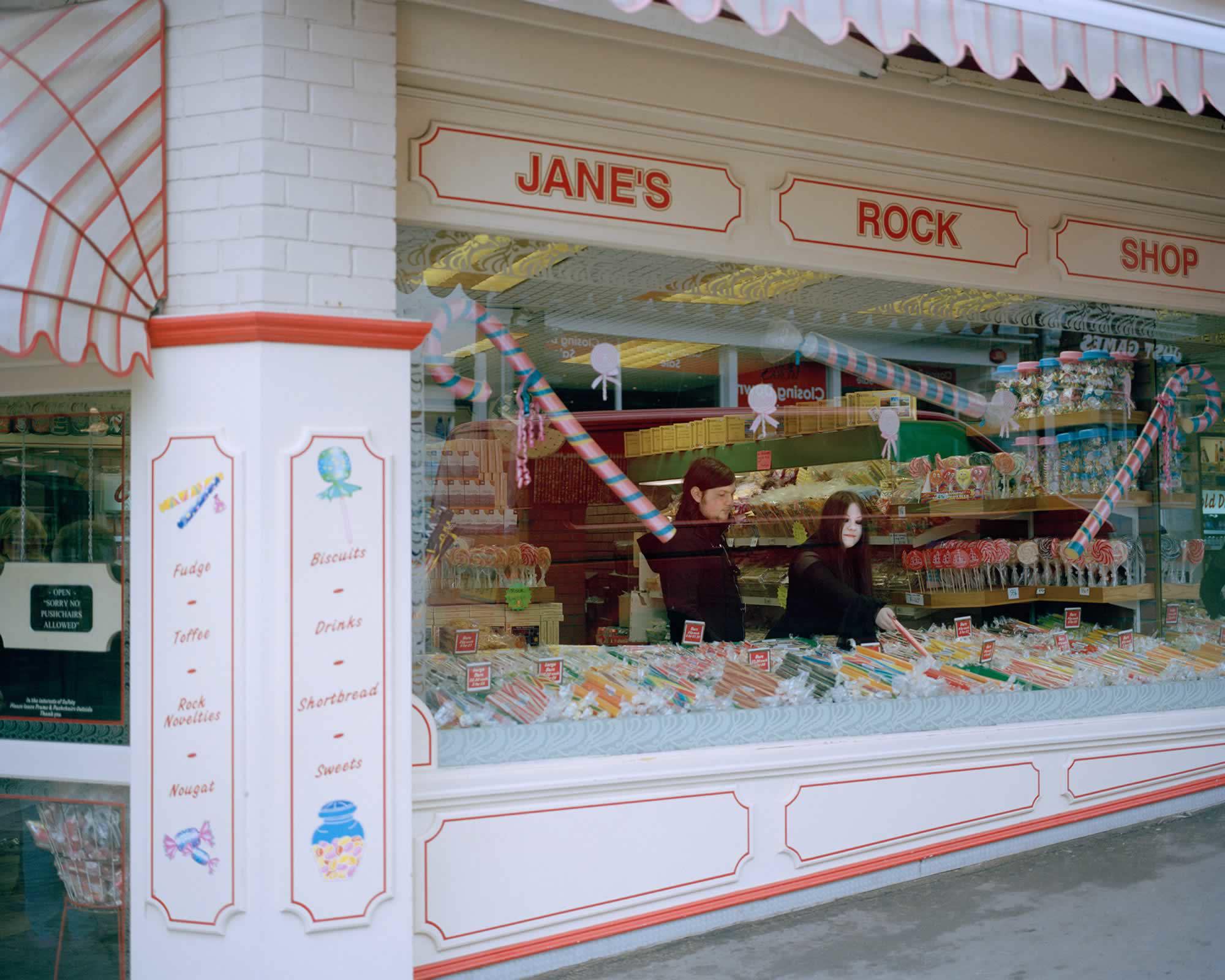
The reason Severns’ collection stuck out to me, may not have been the reason he intended. The vision here is quite clear. The weird crossing with the mundane. But for me? That just looks like a normal Tuesday in Skegness.
If you know my work, you’ll know I’ve photographed Cosplayers at Comic-Con’s. Watching the Tenth Doctor have a smoke, Erin Jaeger have a pint or a Stormtrooper queuing for the loo isn’t an alien concept. It’s something I’ve been exposed to all my life. My parents were “bikers” and metalheads, my sister was the textbook definition of a Myspace Emo. This is the norm.
To those without my exposures and experiences, this is weird. I completely understand that. The juxtaposition of the two, a gothic styled person getting a pick and mix in 60’s sweet shop is strange.
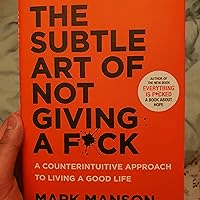
Recent generations have taken on a very simple attitude when it comes to self-expression. The best way to demonstrate this is with a handy book that became quite popular in the late 2010’s
With the power of the Internet and the support of like-minded peers, Millennials and Gen Z were able to break through the social barrier and remind people that Self-Expression isn’t just for Saturdays.
It’s strange to think that only 7 years ago, these people had to wait to show their true colours. Whereas now, 2025, this is just common culture. You’re just as likely to see an alternate-style person at Tesco as you are to see a parent with a buggy. Self-Expression has become so much more freeing than it was back when Severn took these photos.
Personal Research
Trigger Warning: War, Blood, Racism and Genocide
I have a fascination with War History. It started when I was 8 and my parents took me to visit the Menin Gate in Ypres and experience the history of WW1 in person. Later on in life, I got to visit Sarajevo and see the aftermaths of the Siege of Sarajevo and the devastation the country persevered through.
When we were asked to look into Document Photographers, the first place my brain went was to “War Photographers”. But where to start?
Homework.
I went back to my history homework from 2011-2016 and looked through some old sources to see what I could find…
Ron Haviv – Blood and Honey, A Balkan War Journal.
Of the thousands of photographs that emerged from the war in Yugoslavia, Ron Haviv’s stand out as a unique record. From the first outbreak of war in 1991 to the present-day ethnic turmoil in Kosovo, Haviv produced images that depicted both the urgency and the tragedy of war...
…The images in Blood and Honey are further augmented by a chronology of the conflict and quotations from victims, perpetrators, political figures, and international observers that provide alternative and opposing voices about the war.
That excerpt was taken from the Amazon Description for Havivs’ book. Unfortunately, I have been unable to get a hold of a full copy as it’s not available in the UCLAN Library. I ended up hunting down bits and bobs through online databases, articles and interviews.
I would also like to note his book is around £550 on Amazon and it is coming up to Christmas…
Future Rosie here! Most of it is available on Ron Haviv’s website but as you’ll see later, I wouldn’t find this out until much later.
Instead of immediately jumping to Google and having 14 adverts and a few gallery shows handed to me, I decided to see what I could find in the Library.
While looking around the archives, I stumbled across a copy of Photoworks Annual in 2013 that interviewed Haviv, focusing on one specific image:
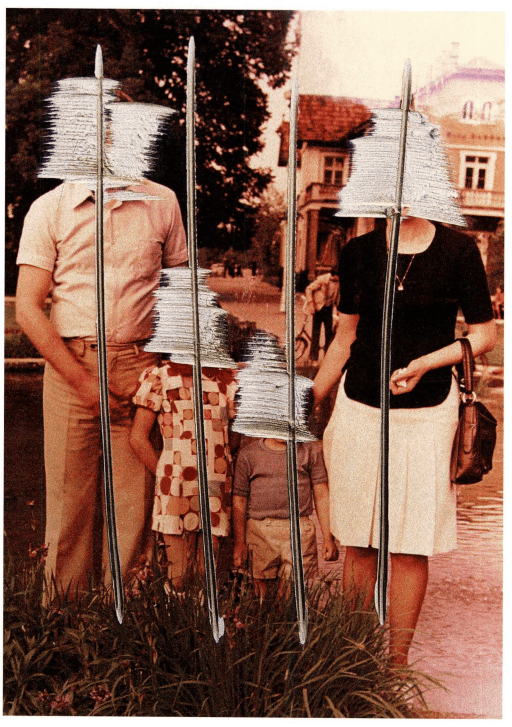
Untitled – Ron Haviv
In it’s original state, this is a photograph Haviv took of a Bosnian family. After the Siege of Sarajevo, the family returned to see their home ransacked and devastated. Their belongings had been stolen and the occupying Serbs had defaced all their photographs, this one included. Haviv returned back and captured the result.
Trapped in a world with misinformation, it goes to show that humanity does not learn. If 30+ years ago, they were defaming and villainising a group of people to the point of extinction, you’d THINK we’d have learned going forward!
The main reason I selected this image was the story behind it and the connections from this, and the site of the mass grave in Potocari. Prior to being a memorial site, it was a UN Base where women and children were told they’d be kept safe. Spoiler Alert: They weren’t.
At this point, I urge you to read into the devistation at Potocari yourself. I am not someone who can tell you the story, you need to hear it from the family itself. I strongly reccoment the accounts from Remembering Srebrenica. They are a fantastic organisation that I owe a lot to for my own experiences.
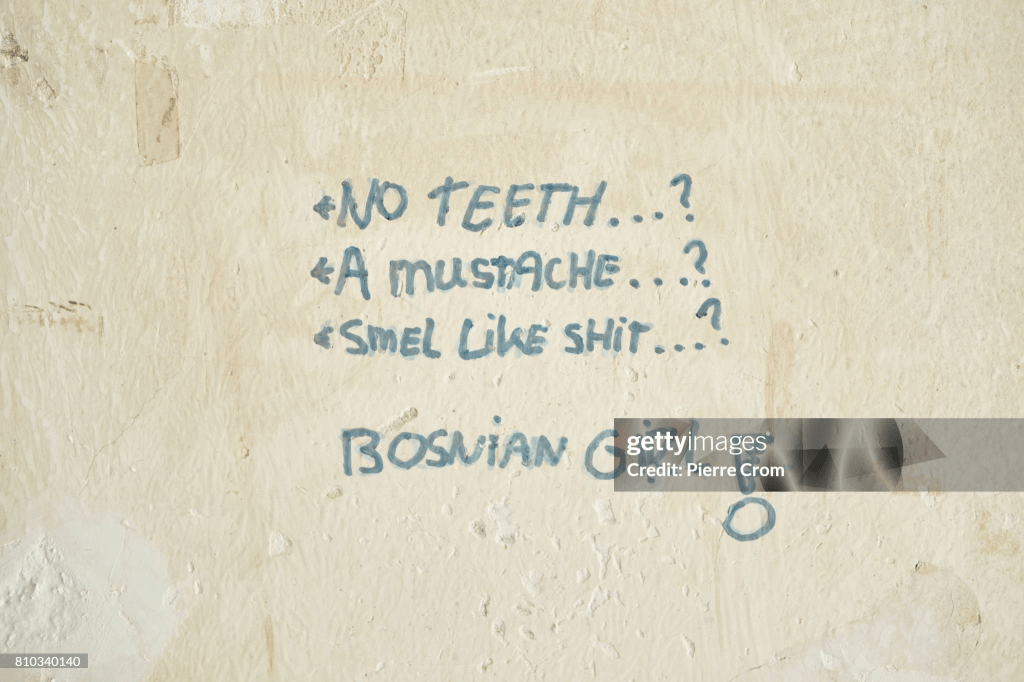
Back on the matter of Potocari. As you walk through the building, you can see the graffiti that the soldiers did to pass the time. The owners of the memorial have left it all in it’s original state to show just what these women were experiencing from people they were expected to trust.
Unfortunately I’ve lost my original photo’s from my visit but I think this one from Pierre Crom (yes, I know it’s on GettyImages) proves my point of what the mindset was back in those days…
No Teeth? A mustache? Smell like shit? Bosnian Girl!
Do you see why Haviv’s image stuck with me so hard, especially after knowing it’s story?
One Image
I’m taken back to hearing the stories from survivors who didn’t know if they’d see the sun set, let alone rise again.
Of children who didn’t know if they’d see their mother or father again.
One bloody Image tells that big of a story once you look a little closer.
THAT
is why I adore war photographers. Not only do they show you the devastation as it’s happening, but also the aftermath. What the residents get to go home to and what they have to live with now.
I know I’ve gone on a lot about one image but I just want to show you a few of the one’s I’ve found of this collections that, if I’m brutally honest, I’m ashamed of my species for.
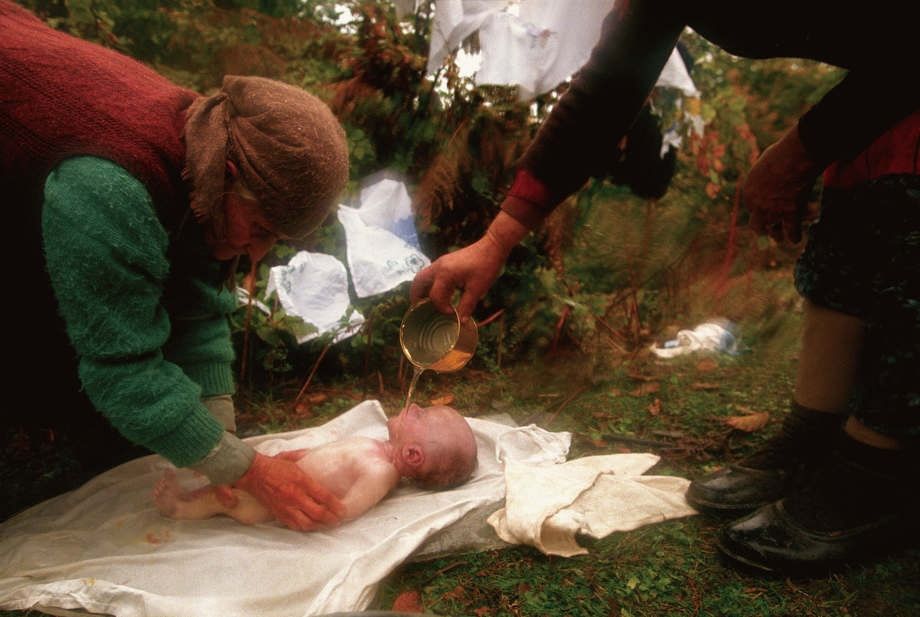
Kosovar Albanians who fled their homes prepare to bury a five week old baby who died of exposure in the mountains of Kosovo. Thousands of Kosavars were internally displaced during the early Serb offensives in the war for Kosovo’s independence.
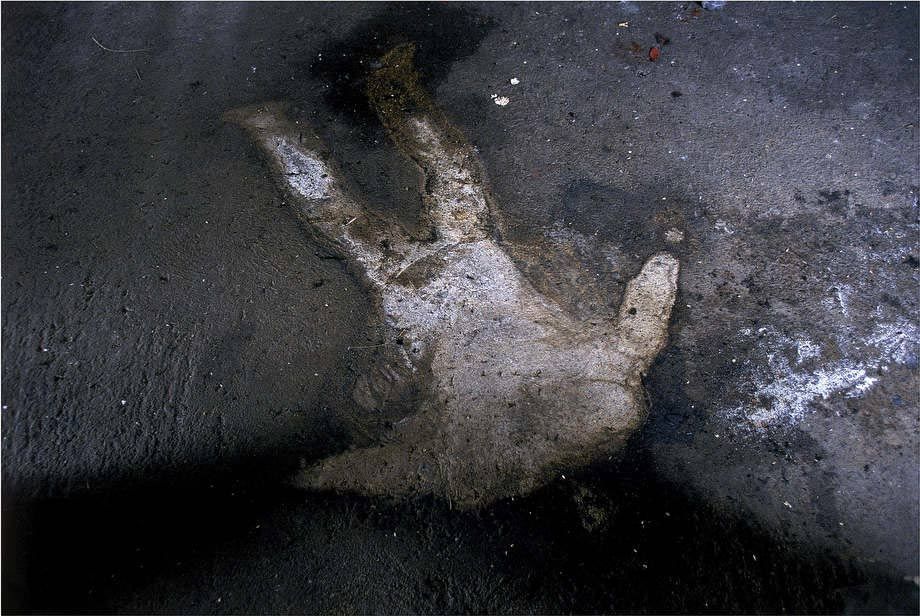
The imprint remains of a Kosovar Albanian burned by Serbian forces.
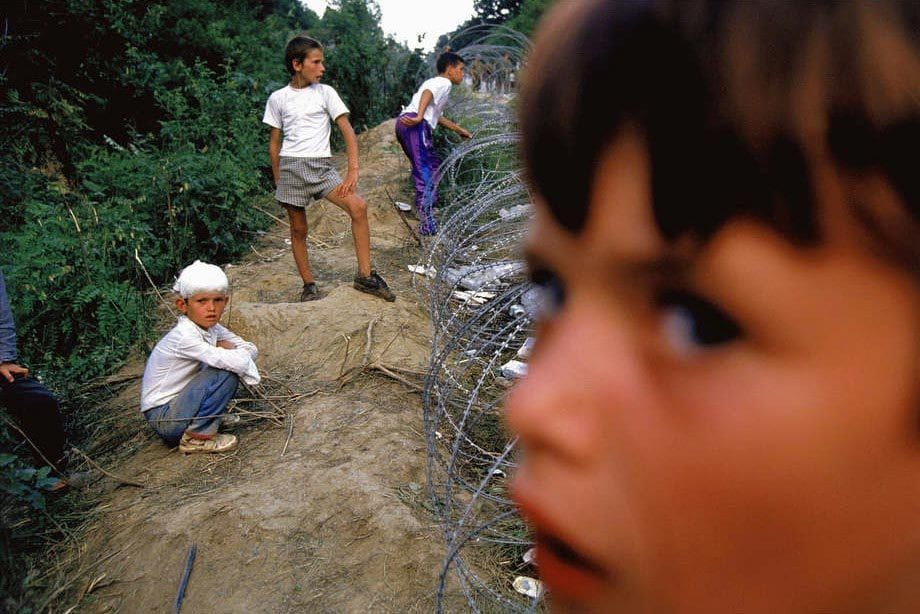
Children survivors of the attack on the United Nations Safe Haven in Srebrenica, Yugoslavia wait in a refugee camp in Tuzla, Bosnia.
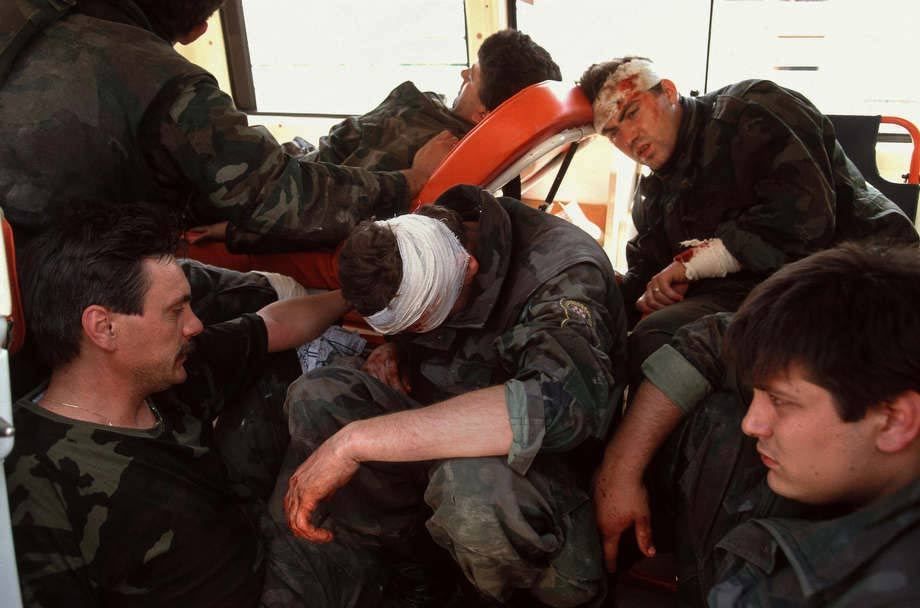
Soldiers and Paramilitaries – Wounded Croatian soldiers are taken to a hospital after being at the frontline of fighting with Serb forces.
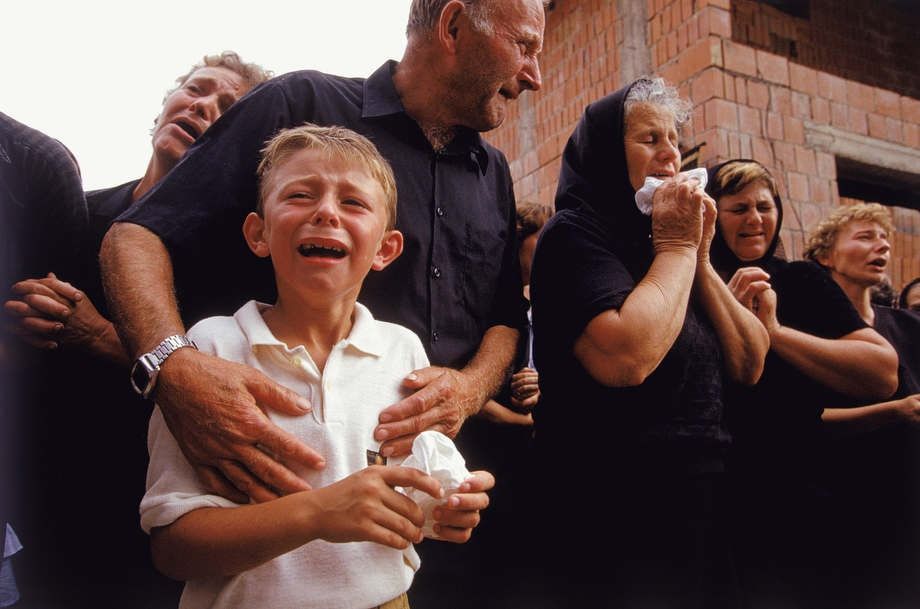
A Croatian child cries at his father’s funeral who was a policeman killed by Serbs in an ambush in the beginning of the war for Croatia’s independence.
Document Photographers are not here for the media to sell a reason why.
They are here to show us the consequences of humanitys actions.
Let me leave you with that.
Ernest Brooks – The First British Official War Photographer
If you’ve ever studies World War 1, you’ll have seen Ernest Brook’s work without ever realising it. That was the case for me.
I mentioned previously that my parents took me to visit Ypres in 2008. We also visited the site of The Battle of Vimy Ridge and found the gravesite of my Great-Great Uncle Austin who died at the Third Battle of Ypres, Menin Road.
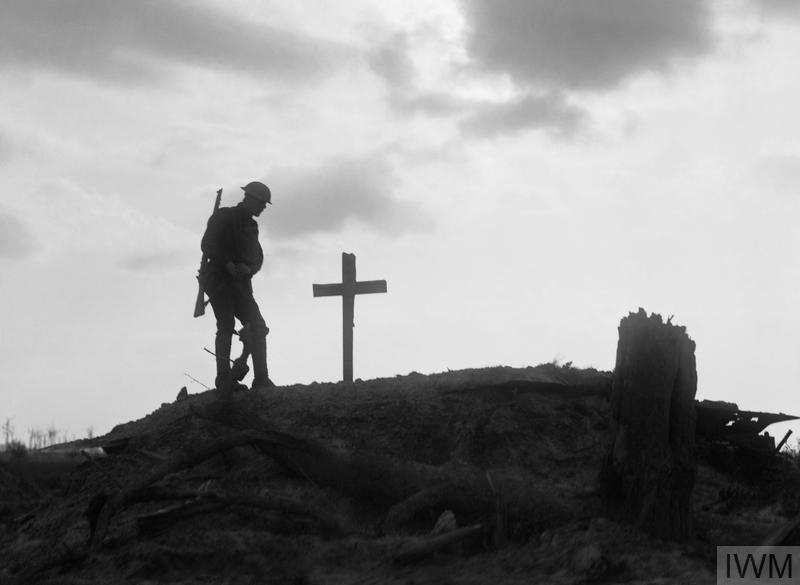
Not only that, with Remembrance Day around the corner, you start seeing this image everywhere:
This image was taken at the Third Battle of Ypres by a photographer called Ernest Brooks. His name came up alot when looking into World War One photographers, so I figured I might look into him a bit more.
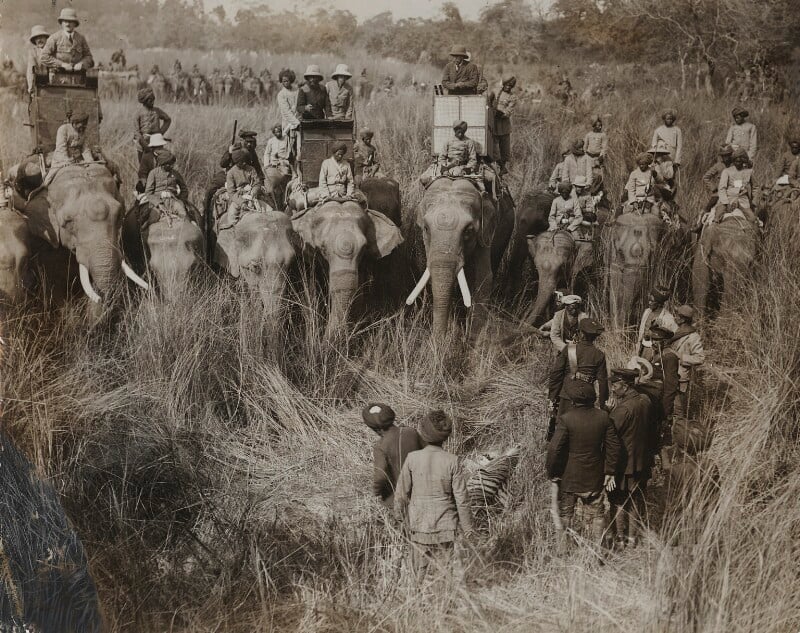
Starting his career as a freelance newspaper journalist, Brooks was raised in Windsor where he’d often run into members of Nobility or Royalty. He worked on the grounds and became known within the social circles. He used these connections to build his career, photographing for historic Royal moments. An iconic one was when he joined King George V to India and documented his hunting trip:
Viewing a tiger shot by King George V
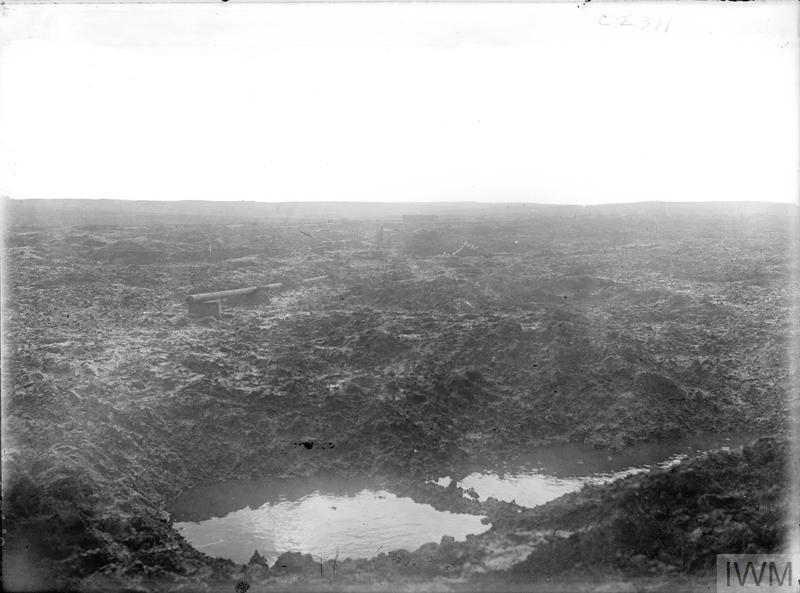
When trying to find more about Brooks and his work, specifically in World War One, I came across a collection of his work within the Imperial War Museum Database:
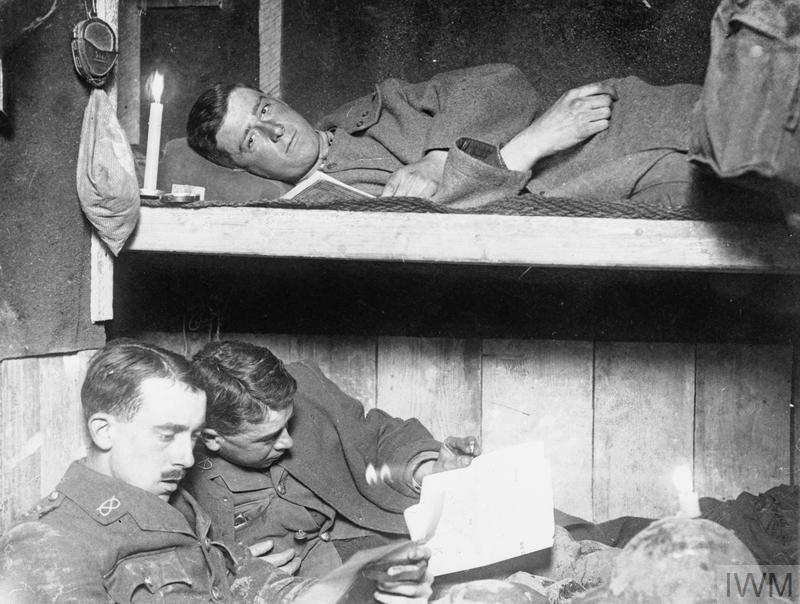
THE BATTLE OF THE SOMME, JULY-NOVEMBER 1916 (Q 1556) Officers of a battalion of the South Staffordshire Regiment study a 1:5000 scale trench map in a captured German dug-out beneath the ruined Church at Beaumont Hamel, November 1916.
I became effectuated with Brooks’ work. His image from the Somme, to the war on the Italian Front and even to campaigns I’d never heard of like the Gallipoli Campaign. I was almost grateful they were in black and white, especially after the brutal messaging Haviv’s had just left me with. It was almost comforting, in a sick and twisted way.
You can almost see it in their eyes, the pain and suffering. A thousand yard stare that only comes about after severe trauma and prolonged suffering.
Against Haviv’s depictions, Brook’s work almost looks staged. We’ve seen so much of World War One in modern media, from films and historical dramatizations, that we’ve become desensitised to it. The suffering they went through. Brook’s photographs show us what they dealt but because they can’t show us the state of it all, it looses the horrific value.
I came across a few social media (Reddit) posts where people had used AI to colourise the photographs but, personally, I don’t think they need them. Yes, for some images it can add life and comfort but for these? For what Brooks was showing us, we don’t need it. Sometimes we don’t need to see it to know it’s there.
That’s what sets Brooks against Haviv.
Accidental Find – Photojournalism & Reuters
I’d seen the term “Photojournalism” used a lot while looking into Haviv and Brooks, not quite sure the of the difference. I figured one was for creative works, the other was sold to media. This lead me down one hell of a rabbit hole.
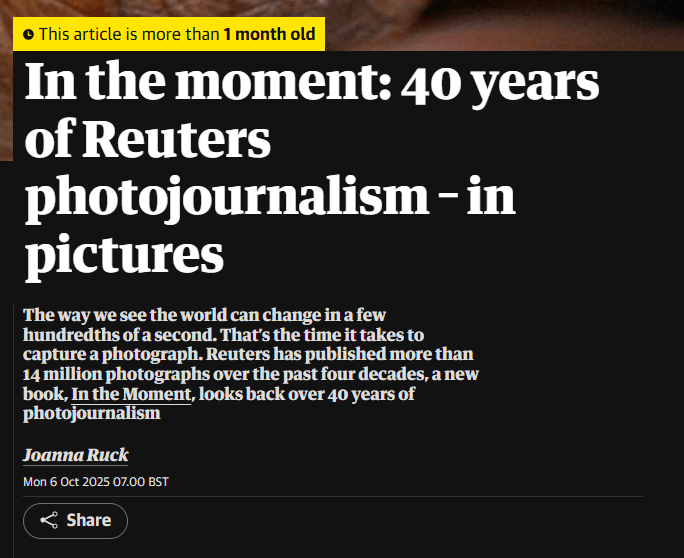
I did break my rule of no google-ing however, in doing so, I came across an article from The Guardian.
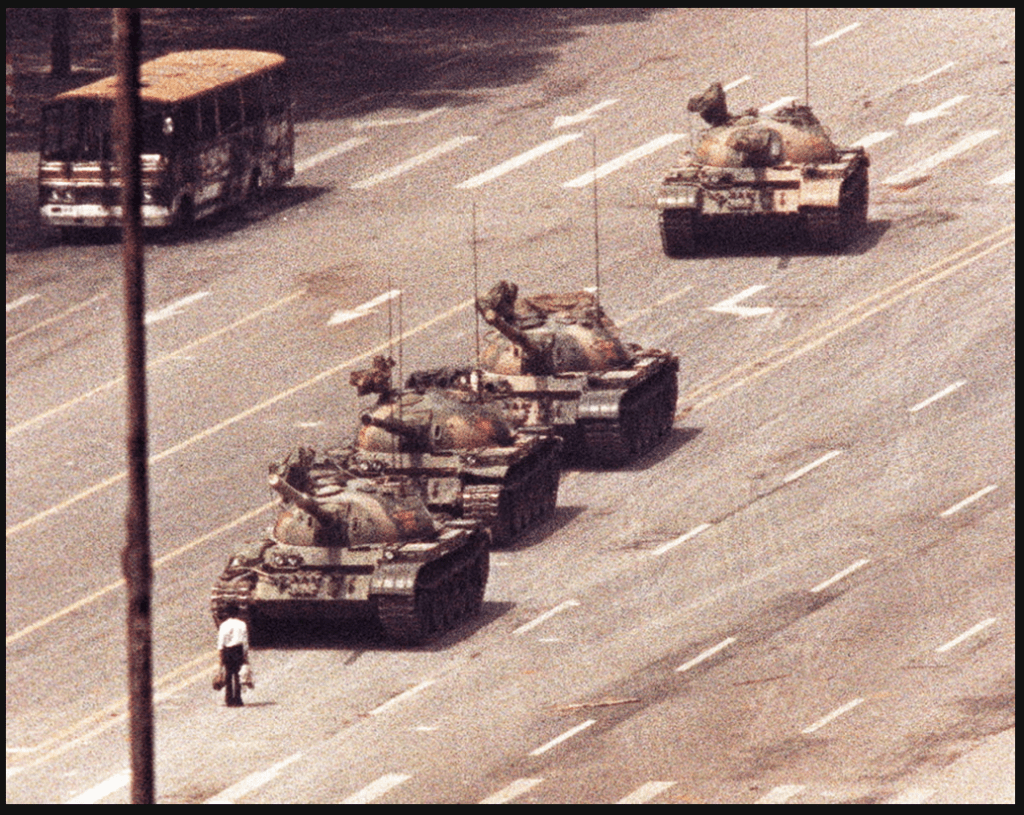
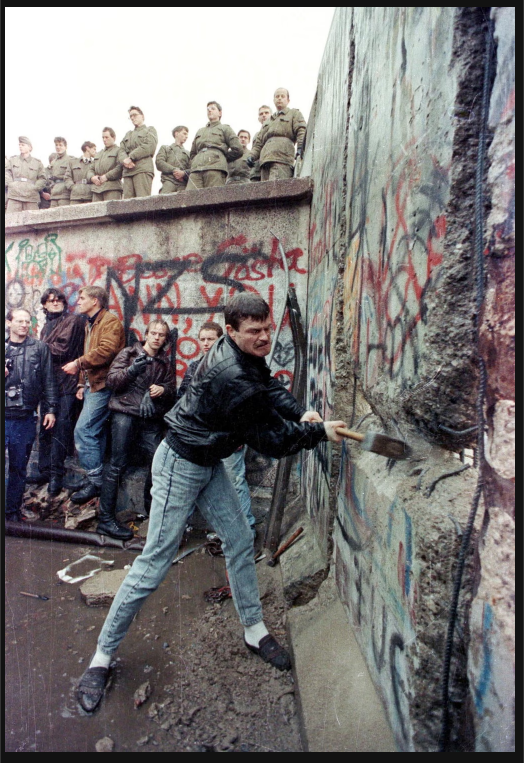
Skimming through, I saw photographs that I recognised. From the famous “Tank Man” in Tiananmen Square to the demolition of the Berlin Wall. I’d seen these before but I’m not sure what’s going on within this article.
It’s promoting the release of “In The Moment”, a book recounting the last 40 years of Reuters Photojournalist.
Tiananmen Square’s is as iconic as they come when you think about Photojournalism. Just a man, carrying his shopping, stopping in front of tanks, post horrific events. A total accident of an image that caused an uproar within the Chinese Government.
Photograph: Arthur Tsang/Reuters
Photograph: David Brauchli/Reuters
This is a notable find to store away for later on however, as it stands I need to focus on the topic at hand.
–Slideshow–
What is the difference between Photojournalism and Document Photography?
Breaking my rule once again, I started my search with “Photojournalism and Document Photography” to see what happened. Initially, it’s just University degree’s specialising in these methods. However, deep in the search list, I came across a book, written in 2001 by By Antonin Kratochvil, Michael Persson. Named the “Nieman Reports“:
There is a division in photo reportage. There is photojournalism and there are photo documentaries: Identical mediums, but conveying very different messages. Documentary photographers reveal the infinite number of situations, actions and results over a period of time. In short, they reveal life. Life isn’t a moment. It isn’t a single situation, since one situation is followed by another and another. Which one is life?
Photojournalism—in its instant shot and transmission—doesn’t show “life.” It neither has the time to understand it nor the space to display its complexity. The pictures we see in our newspapers show frozen instants taken out of context and put on a stage of the media’s making, then sold as truth. But if the Molotov cocktail-throwing Palestinian is shot in the next instant, how is that told? And what does that make him—a nationalist or terrorist? From the photojournalist, we’ll never know since time is of the essence, and a deadline always looms
As I understand this, the methods of photography aim to create the same thing, a snapshot in time making a statement. However one is for creative purposes, telling a story or showing a situation. The other is to report back on what’s happening, going back to the media outlet that’s hired them and working the story. Document Photography takes it’s time, detail and situation into the images whereas Photojournalist’s have to work with what they’ve got that fits into their headline and article.
This then extends into the topic of Media bias and selective information. Speaking about the “Terrorist v Freedom Fighter” argument, the Document Photographer will be able to take the time and see which one our subject is, focus on their message and look around to see it.
The Photojournalist has to take what they’re given as long as it’s giving what they need. They don’t care for the true meaning, just what’s on the image. This really does make Photojournalist’s seem heartless. But I guess that’s the curse of working within Journalism. You have to stick to your outlet’s themes & bias’s, regardless of your own.
Working to a brief or contract, sure. But having an image I’ve taken be possibly twisted or misrepresented? Not for me, thanks!
It reminds me of an Instagram Reel I came across a few weeks ago.
It was aimed to satirically mock The Daily Mail’s usage of images. Taking an image, cropping it down to show something completely different and throwing a controversial statement over the top. The one that stuck with me was of a group of people camping at Glastonbury, covered in mud and wrapped up in ponchos and coats. The joke overlay said something along the lines of “Refugee Population ruining local park”.
There’s a lot here to see, from the mundane story telling of Paul Graham to the horrific scenes of Haviv. Even the torment some Photojournalist’s must go through when they’re images are used and sometimes, twisted.
There is beauty behind Document Photography. The message it tells and the statements it makes. That being said, the message will and can change throughout time and the older the images become.
This is a style of Photography I’d love to experiment with and see what happens because of it. With a new generations perspective, I’d love to see what’s to come with this format.
UPDATE – 14/11/25
After a natter with my mum, she introduced me to a film called Lee. It tells the true story Elizabeth “Lee” Miller who was a photojournalist in World War 2. Starting as a Fashion Photographer, Lee ended up on the front lines and documenting it all.
This is definitely something I need to look into and a film I need to watch.
 AlphaRose Photography
Leave a comment